
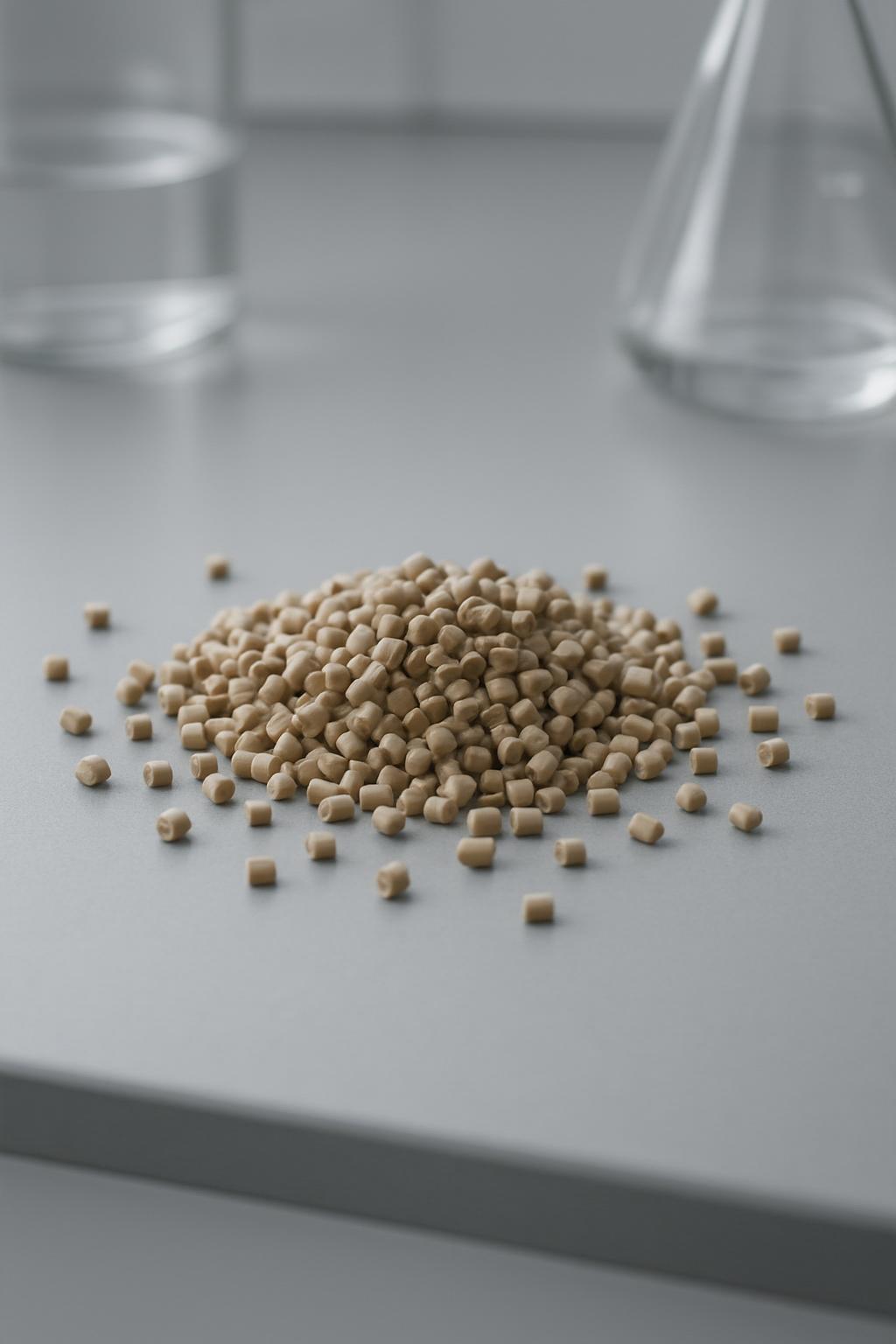
Introduction to Engineering Plastic Solutions
We offer a variety of high-performance engineering plastic materials to meet the stringent demands of different industries, ensuring your applications are stable and reliable.
Services
Material Performance Consulting
Provides performance analysis and material selection advice for engineering plastics, meeting various industrial needs.
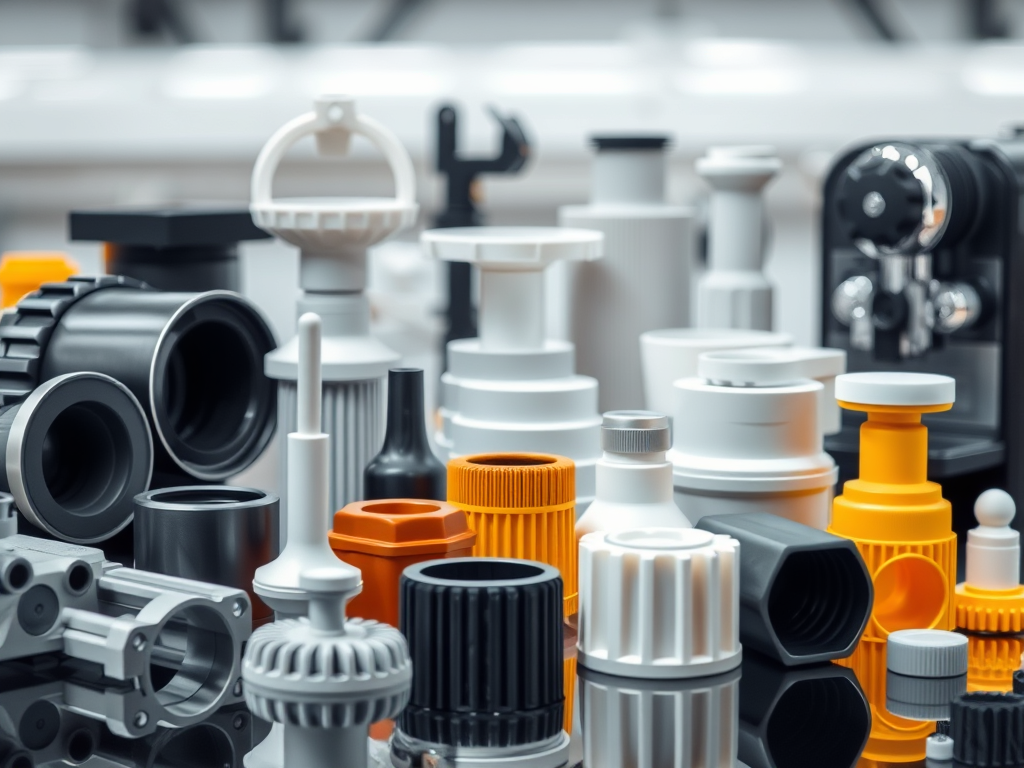
Custom Solutions
Customize high-performance engineering plastic products according to customer needs and optimize industry applications.
Technical Support
Provide technical guidance and problem-solving solutions for the use of engineering plastics.

Diverse Applications and Performance Advantages of Engineering Plastics
High-Performance Thermoplastics: Precision Applications in Demanding Environments
In industries where failure is not an option, premium thermoplastics like PEEK, PEKK, PPSU, PEI, TPI, and PESU have redefined what’s possible. These high-end materials transcend conventional engineering plastics, delivering unmatched performance in extreme thermal, chemical, and mechanical environments. Below, we spotlight their mission-critical applications—where reliability isn’t optional, it’s the foundation.
Aerospace & Defense: Lightweighting Without Compromise
PEEK and PEKK dominate aerospace structural components, replacing titanium and aluminum in weight-sensitive applications. PEEK’s 250°C continuous service temperature and flame resistance make it ideal for aircraft engine ducts, landing gear brackets, and cabin interior panels. PEKK, with its superior 3D printability, enables complex, lightweight lattice structures for satellite components and drone airframes—reducing launch mass while maintaining integrity under vacuum and radiation. PEI (e.g., Ultem®) serves as the backbone for high-frequency avionics housings, resisting signal interference in radar systems and cockpit electronics. TPI (thermoplastic polyimide) is the go-to for composite reinforcement in wing ribs, offering unmatched thermal stability during rapid temperature shifts.
Medical & Surgical: Biocompatibility at the Forefront
PEEK has revolutionized orthopedics, replacing metal in spinal fusion cages and joint replacements. Its radiolucency allows real-time X-ray monitoring, while its stiffness matches bone, reducing stress shielding. PPSU (e.g., Ryton®) is the material of choice for sterilizable surgical instruments and reusable endoscope components, enduring repeated autoclave cycles (up to 135°C) without degradation. PESU (polyethersulfone) powers critical dialysis membranes and blood oxygenators, leveraging its exceptional biocompatibility and chemical resistance to bodily fluids. PEI enables microfluidic diagnostic devices, where its clarity and thermal stability ensure precision in point-of-care testing.
Industrial & Chemical Processing: Corrosion Resistance Redefined
PPSU and PESU dominate high-temperature chemical handling. PPSU seals and pump components withstand aggressive solvents in semiconductor manufacturing (e.g., hydrofluoric acid baths), while PESU valves endure continuous exposure to caustic chemicals in pharmaceutical synthesis. PEEK is the standard for oil and gas downhole tools, resisting hydrogen sulfide corrosion at 200°C and 1,500 psi. PEKK excels in additive manufacturing of custom chemical reactor liners, where its melt processability allows intricate, corrosion-proof geometries impossible with metal.
Electronics & EVs: Enabling Next-Gen Power Systems
PEI (e.g., Ultem®) is indispensable for electric vehicle (EV) power electronics. Its flame retardancy (UL94 V-0), thermal stability (180°C), and electrical insulation make it the material of choice for high-voltage battery connectors, motor controllers, and charging port housings. TPI’s low dielectric loss and thermal conductivity are critical for 5G mmWave antenna housings in EVs, ensuring signal integrity under thermal stress. PEEK’s electrical properties support high-density circuit boards in autonomous driving sensors, while PESU’s moisture resistance protects control units in humid environments.
High-Performance Additive Manufacturing: The Future is Printed
PEKK and PEEK are unlocking new frontiers in 3D printing. PEKK’s high melt temperature (380°C) and adhesion properties enable printed aerospace parts with 95% of the strength of machined components—used by Airbus for cabin brackets and NASA for rocket thruster components. PEEK filaments now produce patient-specific surgical guides and dental implants with micron-level precision. PPSU is increasingly used in printed chemical reactor prototypes, accelerating R&D cycles without compromising material integrity.
Why These Materials? The Uncompromising Edge
- PEEK: Where bone-like strength meets radiolucency (spinal implants, aircraft bearings).
- PEKK: Where 3D printing meets extreme durability (satellite components, custom oilfield tools).
- PPSU: Where autoclave cycles meet chemical resilience (surgical instruments, semiconductor seals).
- PEI: Where flame resistance meets signal clarity (EV power systems, 5G electronics).
- TPI: Where thermal stability meets high-frequency performance (antenna housings, sensor enclosures).
- PESU: Where biocompatibility meets chemical resistance (dialysis membranes, pharmaceutical valves).
Conclusion: Beyond Materials, Into Solutions
These aren’t just plastics—they are engineered solutions for the most demanding applications on Earth and beyond. PEEK, PEKK, PPSU, PEI, TPI, and PESU deliver performance where metals fail, composites crack, and conventional polymers degrade. From the sterile precision of a surgical suite to the vacuum of space, they enable innovation that doesn’t just meet specifications—it redefines them. As industries push boundaries in sustainability, electrification, and miniaturization, these high-end thermoplastics are not merely materials of choice—they are the catalysts for the next era of engineering.
 libertia® performance- focus on High Performance Polymers