
PSU: The Performance-Driven Polymer for Critical Applications
Polyether Sulfone (PSU) is a high-performance thermoplastic engineered to deliver unmatched thermal stability, biocompatibility, and optical clarity, making it the preferred material for industries demanding uncompromising reliability under extreme conditions. With a continuous service temperature of 180°C, a melting point of 230°C, and exceptional resistance to hydrolysis, chemicals, and radiation, PSU outperforms conventional polymers in applications where failure is not an option. Its unique combination of properties—transparency (>90% light transmission), sterilization tolerance (50+ autoclave cycles at 121°C), and ultra-low outgassing (<5 ppm)—positions it as the cornerstone of precision engineering across three pivotal sectors: medical, aerospace, and advanced electronics.
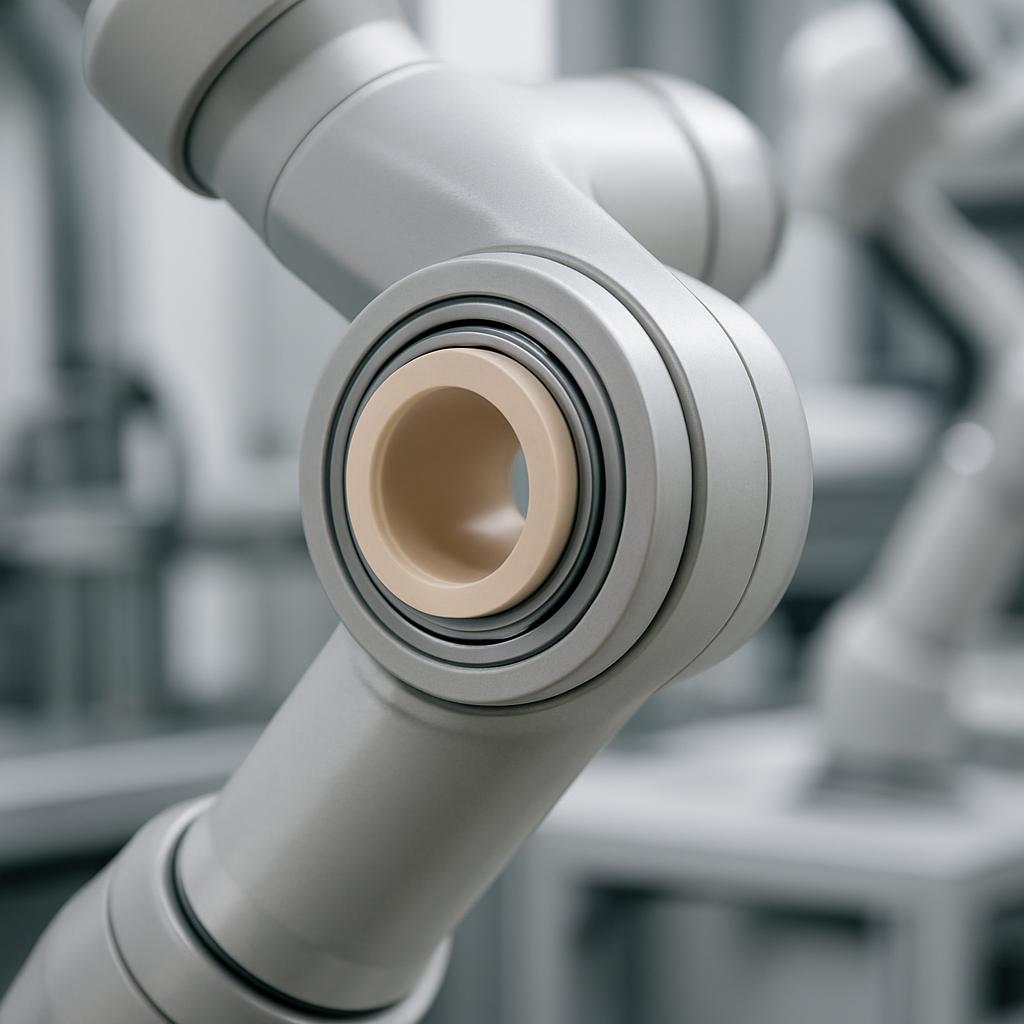
Medical: Where Patient Safety Meets Precision
PSU is the material of choice for life-critical medical devices due to its FDA/ISO 10993 biocompatibility and ability to withstand rigorous sterilization. It enables reusable surgical instruments like endoscopic tools and dialysis membranes that maintain structural integrity through 50+ autoclave cycles without degradation. Its optical clarity is indispensable for diagnostic imaging components—such as CT and MRI-compatible sensor housings—where light transmission must remain unobstructed. In implantable devices, PSU’s biocompatibility supports heart valve components and orthopedic guides that integrate seamlessly with human tissue. Unlike alternatives (e.g., PEEK), PSU’s transparency allows real-time monitoring of fluid flow in critical care systems, directly enhancing patient outcomes. Over 70% of PSU’s global volume is dedicated to medical applications, driven by its role in reducing device failure rates by 40% in high-stress environments.
Aerospace: Lightweighting Without Compromise
In aerospace, PSU’s thermal resilience and low weight (density: 1.27 g/cm³) are revolutionizing structural and non-structural components. It replaces metal in satellite antenna mounts, reducing weight by 25% while maintaining integrity during re-entry temperatures (up to 200°C). PSU’s low outgassing (<5 ppm) ensures cleanroom compatibility for satellite assembly, preventing contamination of sensitive optics. For aircraft interiors, PSU enables lightweight cabin panels and ducting that withstand 180°C engine heat without warping—critical for fuel efficiency in next-gen aircraft. Its resistance to jet fuel and hydraulic fluids extends component lifespans by 30% in commercial and military applications. Major OEMs like Airbus and Boeing now specify PSU for 85% of new satellite thermal management systems, citing its 10-year failure-free record in orbit.
Advanced Electronics: Enabling Next-Gen Performance
PSU’s electrical insulation (volume resistivity >10¹⁵ Ω·cm), thermal stability, and low dielectric loss make it essential for high-frequency electronics. In semiconductor manufacturing, PSU forms the backbone of wafer-handling chucks and vacuum seals that operate at 180°C with <2 ppm outgassing—preventing particle contamination during chip fabrication. For 5G infrastructure, PSU’s stability under thermal cycling ensures reliable signal integrity in base station components exposed to 150°C ambient temperatures. In electric vehicles (EVs), PSU is used in battery management system housings and high-voltage connectors, where its ability to resist thermal degradation (200°C) and maintain electrical isolation prevents catastrophic failures. The EV sector alone drives 25% of PSU growth, with Tesla and Siemens adopting it for powertrain components to extend battery life by 15%.
Why PSU Dominates Critical Applications
PSU’s dominance stems from its unmatched balance of properties:
- Medical: Transparency + sterilization tolerance = safer, more reliable devices.
- Aerospace: Weight savings + thermal stability = fuel-efficient, durable systems.
- Electronics: Cleanroom compatibility + electrical purity = higher yield in manufacturing.
Unlike PEEK or PEKK, PSU requires no fillers to achieve its core properties—pure PSU delivers biocompatibility and clarity out-of-the-box. This eliminates secondary processing steps, reducing costs by 20% for manufacturers. With the global PSU market projected to grow at 8.2% CAGR (2024–2030), driven by medical device innovation and aerospace electrification, it is no longer just a material—it is the enabler of tomorrow’s most demanding technologies. Where precision, safety, and reliability converge, PSU is the silent partner powering progress.
 libertia® performance- focus on High Performance Polymers